

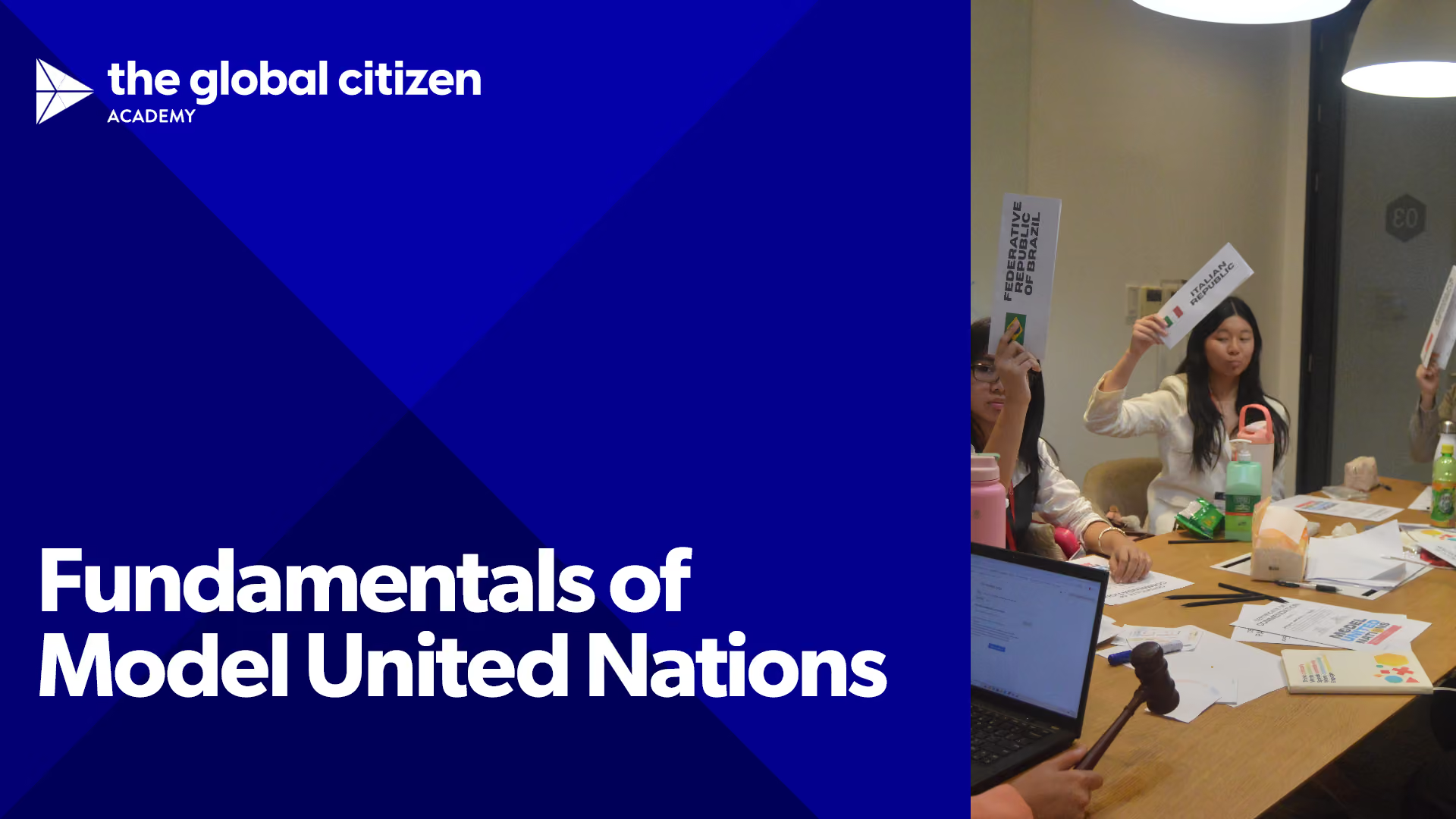



Overview of Model United Nations
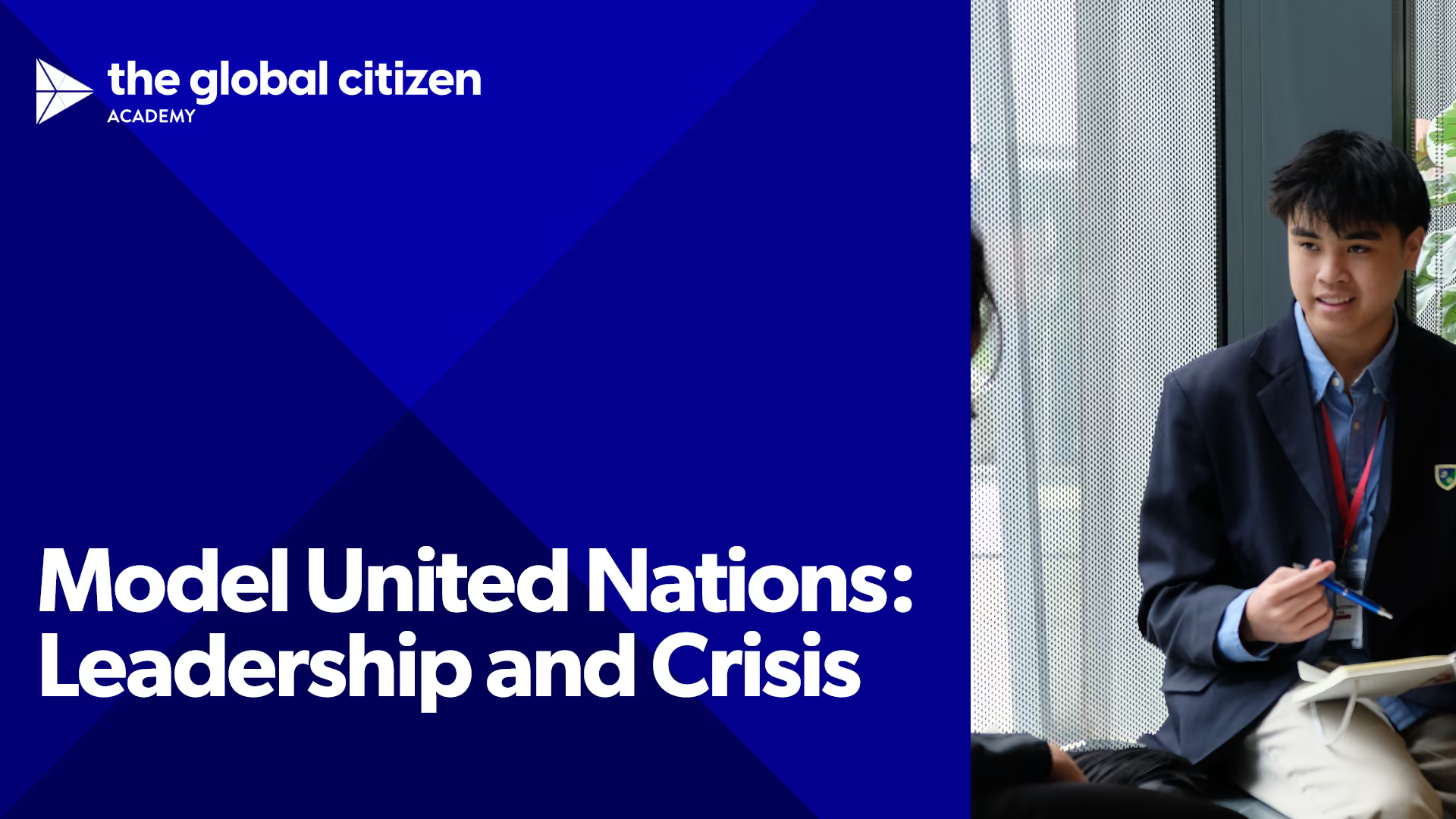
Model United Nations (MUN) is a simulation of the UN's various bodies and committees. Students take on the roles of delegates, representing member states in sessions to debate and resolve pressing international issues. More than just an academic exercise, MUN is a dynamic platform for holistic development. It empowers students to master academic English, refine leadership, and hone their public speaking and writing skills. By stepping into the shoes of diplomats, they learn to negotiate and solve global challenges with confidence and purpose.
What do you do in MUN?
- Opening Speeches: Delegates sign up to deliver an opening speech to present their country's stance.
- Debate: Discussions take place in various formats, including formal debates and unmoderated caucuses.
- Working Paper: During unmoderated caucuses, delegates with similar stances collaborate to draft a working paper.
- Draft Resolution: Working papers are developed into a draft resolution.
- Negotiation & Debate: Delegates continue to write and negotiate while also returning to formal sessions to debate and persuade more allies.
About this course
The Fundamentals of Model United Nations Program is designed to introduce students to the foundations of diplomacy, international relations, and the Model United Nations. Through guided lessons, structured activities, and simplified simulations, participants will build their skills in research, public speaking, and policy discussion while learning how to represent a country, write position papers, and draft resolutions. By the end of the program, students will apply their learning in an in-house MUN simulation within a supportive classroom environment.
This term introduces students to the foundations of Model United Nations, helping them understand how the United Nations works, how delegates represent countries, and how committee debates are structured.
Course structure
Introduction to Model UN and United Nations: Introduction of key concepts, terminologies, and formats
UN Bodies and Key Global Issues: Broad overview of the UN system, exploring bodies like the General Assembly, Security Council, and ECOSOC.
Understanding Country Representation: Learning how to represent a country’s perspectives rather than their own
Rules of Procedure: Learning the flow of committee—motions, points of order, yielding, and voting
How to Research for MUN: Finding credible sources, identifying UN documents, and gathering reliable data